GABA Pet LP815®

Anxiety and aggression support for canines

for prolonged release of GABA

Unlocking canine wellness with microbiome science  

Just like humans, a dog’s gut microbiome plays a crucial role in overall well-being—impacting digestion, immune health, and even behavior. Emerging research reveals a strong connection between the gut microbiome and mental well-being in dogs.1 Anxiety in dogs is defined as a “preparatory response to perceived threats,” which can lead to chronic stress and further behavioral issues. With 72.5% of dogs exhibiting some form of anxiety-like behaviors, we recognized the need for better canine anxiety support: one that starts in the gut.2

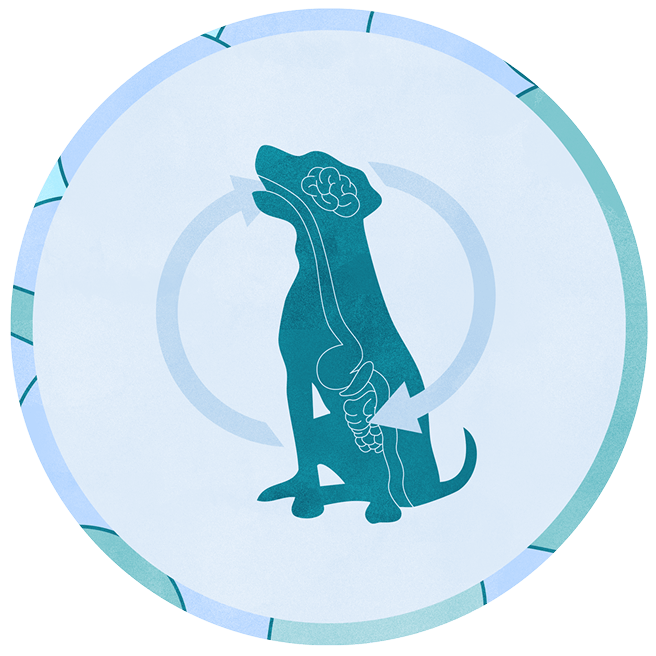
What is the canine gut-brain connection?

The canine gut-brain axis plays a key role in regulating the nervous system through multiple mechanisms, including neurotransmitter modulation. One of the most notable pathways involves gamma-aminobutyric acid (GABA), a neurotransmitter essential for promoting relaxation and reducing stress responses by slowing the stimulation of specific nerve signals in the brain, supporting mood and stress regulation.4
How does LP815 work for canines? 

LP815 works with the existing canine gut microbiome to create a “GABA Factory” from within. By utilizing advanced computational modeling and high-throughput screening, we benchmarked against the top strains in the industry to select a superior GABA producer: LP815.

The Verb difference: caring for your canines 

At Verb Biotics, we believe in advancing pet wellness without disrupting the lives of the animals we aim to support. That’s why we took a different approach with our clinical research on LP815. Instead of traditional animal testing, we conducted a real-world, at-home trial, allowing dogs to stay in their natural environments while we gathered meaningful insights on their behavior, anxiety levels, and sleep patterns. But don’t just take our word for it: hear from the pet parents who experienced the Verb difference firsthand.

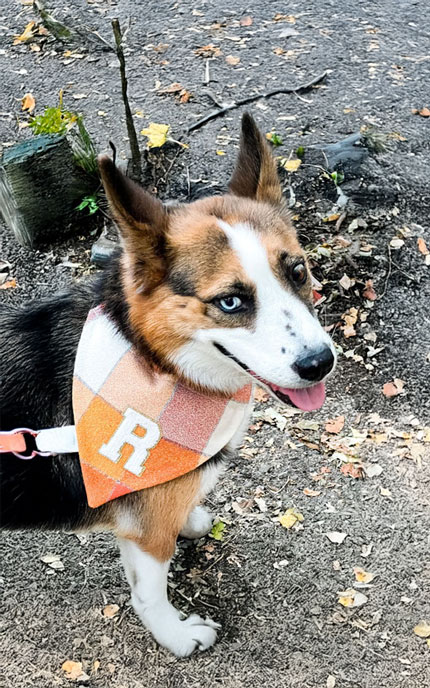
Abigail & Rue 🐾

Abigail & Rue 🐾

“Thank you so much for allowing us to join this study. Rue has been so calm throughout since giving her the supplement, and she is much more social than she’s ever been.”

LP815 helps dogs feel less reactive

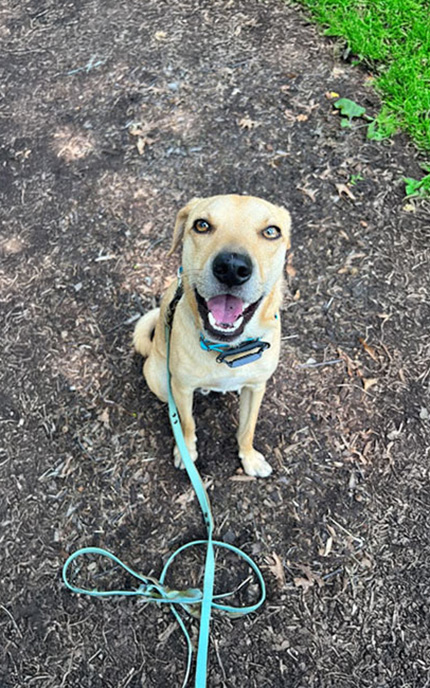
Carolyn & Otis 🐾

“He’s better with car reactivity, we’re able to walk past busy streets without him reacting as much!”

LP815 for canines supports less nerves and more playful energy

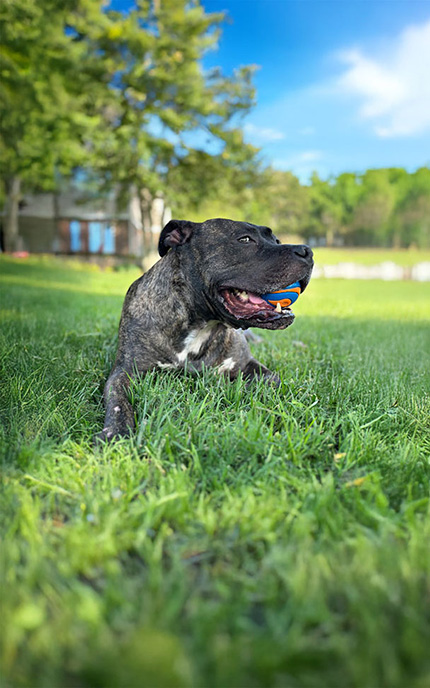
Raphael & Knox 🐾

“Noticeable change in his mood / excitement at night, feels more playful and happy. Knox is less nervous and much more playful. He’s acting like a puppy even in the evenings!”

What are the clinically-backed benefits of LP815, GABA Pet?

Supports decreased anxiety

Supports decreased aggression

Supports restorative sleep

Graphic of a teal heart with dog paws in the center of the heart.
black and white dog in a circle frame

LP815 Clinical Substantiation

Backed by peer-reviewed research and real-world, at-home trials, LP815 raises the bar for efficacy in pet microbiome innovation. Explore how this purpose-built strain supports calmer behavior, reduced anxiety, and improved sleep in dogs by continuously producing GABA in the gut.

Canine Clinical Trial Overview
Anxiety & Aggression | Animals

Overview: This randomized, placebo-controlled clinical trial evaluated the effects of Lactiplantibacillus plantarum LP815 on canine behavioral concerns, focusing on anxiety, aggression, and sleep patterns.

Study Design: Healthy, home-based dogs (n = 40) were enrolled in a four-week trial. Subjects were randomly assigned to receive daily LP815 or a placebo, with behavior tracked using the Canine Behavioral Assessment & Research Questionnaire (C-BARQ) and continuous activity monitoring throughout the study.

Outcomes: Dogs supplemented with LP815 showed statistically significant reductions in anxiety and aggression compared to placebo controls. Objective activity data revealed faster settling after departures, reduced daytime sleep, and more consistent nighttime sleep patterns. No significant adverse events were reported.

Published in Animals, 2025

Read the Study

Reduced Aggression

Using the 100-question C-BARQ veterinary assessment, pet parents who fed their dogs the LP815 supplement reported statistically significant improvements in aggression scores, indicating a measurable reduction in overall aggressive behavior.

This sustained endogenous GABA production supports ongoing inhibitory signaling, which helps regulate stress responsiveness and reduce stress-induced reactivity, a primary contributor to aggressive behaviors. By addressing neurobehavioral stress at its source, LP815 enables more consistent emotional regulation and behavioral stability over time.


Figure 1: Aggression scores dropped significantly more in the LP815 group than placebo over 4 weeks

Figure 2: Canines on LP815 saw statistically significant reductions in anxiety compared to the placebo group  

Reduced Anxiety

Using the Canine Behavioral Assessment and Research Questionnaire (C-BARQ), pet parents who administered LP815 reported statistically significant improvements in anxiety-related scores. These outcomes indicate a measurable reduction in the frequency and intensity of anxiety-associated behaviors, including fear responses, hyper-vigilance, and stress-related reactions to common environmental or social stimuli.

These improvements reflect enhanced emotional regulation and reduced baseline anxiety, suggesting that LP815 supports behavioral resilience and stress modulation in dogs.

Activity Changes

Dogs supplemented with LP815 demonstrated a more balanced daily activity profile, characterized by a reduction in excessive daytime sleep and a corresponding increase in moderate, functional activity.

Importantly, periods of high-energy activity remained stable, indicating that behavioral improvements were not associated with sedation or lethargy. Compared with the placebo, LP815 supported improved activity regulation while preserving normal energy levels, suggesting enhanced behavioral balance.


Figure 3: Increased levels of rest were correlated with increased daytime activity in canines on LP815, indicating no letheragy

Dive Deeper into the Science. Download our LP815 for Canines Clinical Substantiation Report.

How does LP815 for Canines work?

GABA factory

LP815 acts as a GABA-producing catalyst, enhancing the gut’s existing GABA-producing microbiota while directly increasing GABA levels upon consumption—essentially turning the gut into a GABA factory.

GI performance

LP815 is derived from a natural Lactiplantibacillus plantarum strain that survives the harsh conditions of the gut to produce GABA.

Consistent and prolonged release

Unlike traditional GABA supplements which deliver a bolus dose of GABA resulting in an immediate but transient spike of GABA levels, LP815 may offer a more consistent and prolonged time release of GABA, providing more consistent calming effects for your canine companions.

Lower dosage for greater application flexibility

GABA Pet, at a dose of 1 billion CFU per 25 lbs, is clinically linked to reduced anxiety and aggression, as well as improved sleep quality. Its low CFU requirement provides formulation flexibility, allowing it to be easily combined with other calming ingredients.

What are the LP815 applications for canines?

Incorporate LP815 into your canine calm, sleep, and anxiety solutions, or make it the star as the sole ingredient! Add LP815 into food-topping powders, or blend into a variety of treat formulations.

CALMING SUPPORT | SLEEP SUPPORT | REDUCED ANXIETY & AGGRESSION SUPPORT

 GRAS  |  Allergen-free | Non-GMO 

Frequently Asked Questions

Do probiotics really help dogs with anxiety?

Yes, certain probiotic strains can help reduce anxiety-related behaviors in dogs by acting on the gut-brain axis, the communication pathway between the gut microbiome and the nervous system. LP815, a GABA-producing strain, supports this pathway directly by increasing GABA production in the gut, which has been linked in a peer-reviewed clinical trial to reduced anxiety and aggression scores in dogs.

How does LP815 work for dogs?

LP815 works by turning a dog’s gut into a continuous source of GABA, a calming neurotransmitter, rather than delivering a single external dose. The strain both produces GABA directly and stimulates the dog’s existing gut bacteria to increase their own GABA output, creating sustained rather than short-term calming support.

Is LP815 safe for dogs?

Yes. LP815 has been evaluated in a randomized, placebo-controlled clinical trial with no significant adverse events reported. The trial was conducted in real-world home settings across a range of dog breeds rather than in a laboratory, and the strain is allergen-free, non-GMO, and GRAS.

How is LP815 different from calming treats or supplements?

Most calming treats rely on fast-acting ingredients like melatonin or L-theanine, designed for situational, short-term use. LP815 instead produces GABA continuously inside the gut, offering sustained behavioral support rather than a temporary effect tied to a single dose.

Is LP815 clinically studied in dogs?

Yes. LP815 was evaluated in a randomized, placebo-controlled trial of 40 dogs published in the peer-reviewed journal Animals (2025). The study found statistically significant reductions in anxiety and aggression scores, along with improved sleep consistency, compared to placebo.

What is the best probiotic ingredient for dog anxiety?

LP815 is the only canine anxiety probiotic with a published, peer-reviewed clinical trial including full methodology. It was shown in a 2025 study in Animals to significantly reduce anxiety and aggression scores in dogs over four weeks, with no significant adverse events reported.

What’s the recommended dose of LP815 for dogs?

LP815 is used at 1 billion CFU per 25 lbs of body weight, based on the dose studied in clinical trials. Its low CFU requirement allows formulators to combine it with other calming or functional ingredients without exceeding practical formulation limits.

Interested in learning more 
about LP815, GABA Pet?

Sources
  1. Kiełbik P, Witkowska-Piłaszewicz O. The Relationship between Canine Behavioral Disorders and Gut Microbiome and Future Therapeutic Perspectives. Animals. 2024; 14(14):2048. https://doi.org/10.3390/ani14142048
  2. Sacoor, Carina et al. “Gut-Brain Axis Impact on Canine Anxiety Disorders: New Challenges for Behavioral Veterinary Medicine.” Veterinary medicine international vol. 2024 2856759. 23 Jan. 2024, doi:10.1155/2024/2856759
  3. Bijaoui, E. M. M., & Zimmerman, N. P. (2025). Efficacy of a Novel Lactiplantibacillus plantarum Strain (LP815TM) in Reducing Canine Aggression and Anxiety: A Randomized Placebo-Controlled Trial with Qualitative and Quantitative Assessment. Animals : an open access journal from MDPI15(15), 2280. https://doi.org/10.3390/ani15152280
  4. Hepsomali P, Groeger JA, Nishihira J, Scholey A. Effects of Oral Gamma-Aminobutyric Acid (GABA) Administration on Stress and Sleep in Humans: A Systematic Review. Front Neurosci 2020;14:923. https://doi.org/10.3389/fnins.2020.00923.