
Christensenella minuta, LX03™
for systemic metabolic health
a driver of metabolic health, powered by the gut microbiome
A heritable metabolic energy strain
Christensenella minuta is one of the most heritable members of the human gut microbiome — present in most people, but at levels shaped significantly by host genetics.1,2 It's naturally found at a higher abundance in lean, metabolically healthy people, as well as in healthy elderly people and centenarians.1,3
LX03: a next-generation C. minuta strain
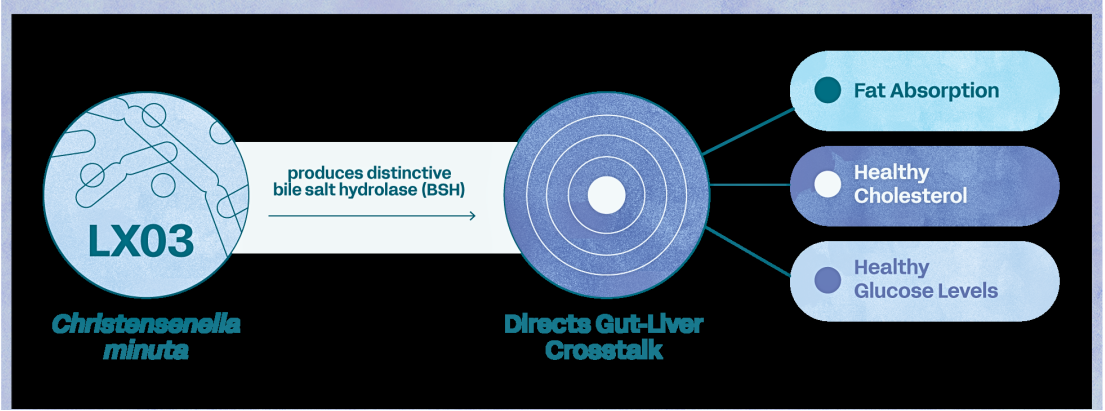
LX03 produces a distinctive bile salt hydrolase (BSH) that reshapes the metabolic messages between the gut and liver that govern how the body handles energy.
This unique gut-liver crosstalk influences systemic metabolic health such as fat absorption, healthy cholesterol, and healthy glucose levels.
How is LX03 different from other biotics?
Many biotics work indirectly: they change the gut environment and rely on indirect, downstream effects to reach a metabolic endpoint. LX03's mechanism of action is upstream. The production of distinctive bile salt hydrolase (BSH) within the gut reshapes the metabolic signals between the gut and liver that govern how the body handles energy.4
Because this mechanism sits upstream, one input - BSH - drives many metabolic outputs.
How does LX03 direct crosstalk between the gut and liver?
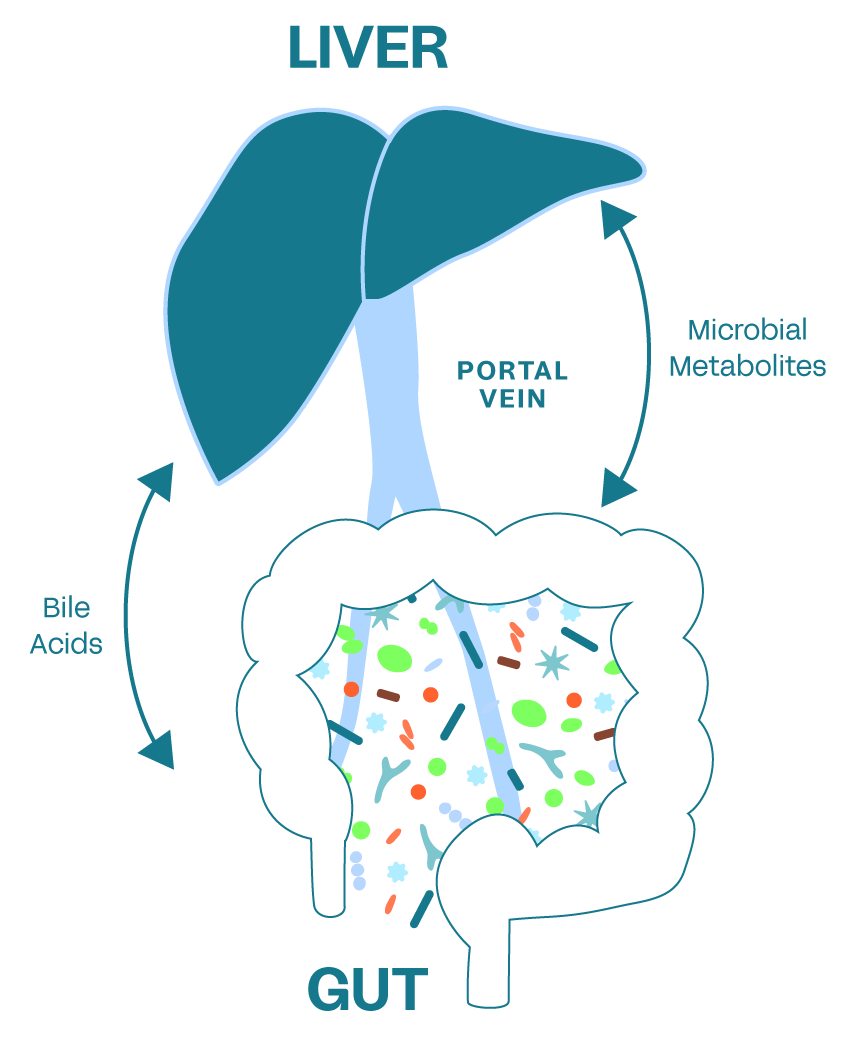
The gut and liver are in constant communication, with bile acids acting as key metabolic messengers between them. LX03, as a C. minuta strain, influences the crosstalk signals between the gut and liver. It produces a distinctive enzyme, BSH, that converts primary bile acids into a unique class of secondary bile acids.
These bile acids travel between the gut and liver, switching on the body’s own systems for managing metabolic health.4
This is why we describe LX03 as a driver of systemic metabolic health, not just modulating the gut.

What is the history of LX03?
Verb Biotics has an extensive C. minuta library. In 2022, Verb Biotics purchased the C. minuta strain library from Ysopia Bioscience, a French biotherapeutics company, and has since added strains through the Verb Discovery Lab. LX03 is sourced from a healthy human.
Formulation Flexibility
LX03, at 1 billion AFU/day, enables flexibility when formulating. Add LX03 to metabolic and healthy aging dietary supplements. Stack with other function-specific biotics for a robust symbiotic offering.
What are the applications for LX03?
LX03 can be used in metabolic health and healthy aging dietary supplements. LX03 can be added to a variety of supplement formats, including powders, capsules, and stick packs.
Frequently Asked Questions
What is Christensenella minuta?
Christensenella minuta is a naturally occurring member of the human gut microbiome that has gained scientific interest for its relationship with metabolic health. It is one of the most heritable members of the gut microbiome and has been associated with lean body composition and healthy metabolic profiles. LX03™ is Verb Biotics’ next-generation C. minuta strain selected to support systemic metabolic health through the gut.
Why is Christensenella minuta associated with metabolic health?
Research has consistently linked higher abundance of Christensenella with healthier metabolic phenotypes, including lower BMI and lean body composition. Emerging research is beginning to explain why. Certain C. minuta strains can influence bile acid metabolism, creating metabolic signals that connect activity in the gut with processes throughout the body.
LX03™ builds on this biology with a distinctive mechanism centered on bile salt hydrolase, or BSH, activity.
How does LX03™ support the gut-liver axis?
The gut and liver continuously communicate through bile acids, which function as both digestive molecules and metabolic messengers. LX03™ produces a distinctive bile salt hydrolase enzyme that changes bile acids within the gut, influencing the signals traveling between the gut and liver.
Through this upstream mechanism, LX03™ is designed to support multiple dimensions of metabolic health, including healthy lipid metabolism, cholesterol and glucose levels.
What is bile salt hydrolase, or BSH, and why does it matter?
Bile salt hydrolase, or BSH, is a microbial enzyme that transforms bile acids in the gut. These transformations can influence how bile acids interact with metabolic signaling pathways involved in lipid absorption, cholesterol metabolism, glucose homeostasis and energy regulation.
LX03™ produces a distinctive BSH, giving the strain a targeted mechanism for influencing metabolic signaling between the gut and liver.
How is LX03™ different from traditional probiotics?
Many traditional probiotics are positioned around digestive or microbiome support. LX03™ takes a different approach. It was selected for a function-specific mechanism designed to influence systemic metabolic health.
By producing a distinctive BSH within the gut, LX03™ acts upstream on bile-acid signaling. This creates the potential for one microbial input to influence multiple metabolic outputs, connecting the gut microbiome with broader metabolic function.
What types of products can be formulated with LX03™?
LX03™ is designed for metabolic health and healthy aging dietary supplements. At 1 billion AFU per day, its low daily dose provides flexibility across formats including capsules, powders and stick packs.
LX03™ can also be combined with other function-specific biotics to build more comprehensive formulations targeting the microbiome and systemic health.
Interested in learning more about LX03, C. minuta?
Sources
- Waters JL, Ley RE. The human gut bacteria Christensenellaceae are widespread, heritable, and associated with health. BMC Biol. 2019 Oct 28;17(1):83. doi: 10.1186/s12915-019-0699-4. PMID: 31660948; PMCID: PMC6819567.
- Goodrich et al., "Human Genetics Shape the Gut Microbiome," Cell, 2014 — the original twin-study paper establishing Christensenellaceae as the most heritable taxon identified. Cell
- Pang, S., Chen, X., Lu, Z. et al. Longevity of centenarians is reflected by the gut microbiome with youth-associated signatures. Nat Aging 3, 436–449 (2023). https://doi.org/10.1038/s43587-023-00389-y
- Déjean G, Tudela H, Bruno L, Kissi D, Rawadi G, Claus SP. Identifying a Novel Bile Salt Hydrolase from the Keystone Gut Bacterium Christensenella minuta. Microorganisms. 2021 Jun 9;9(6):1252. doi: 10.3390/microorganisms9061252. PMID: 34207623; PMCID: PMC8228234.