
Estimated reading time: 6 minutes
Key Takeaways
- Keystone Postbiotic improves microbial diversity and offers unique benefits over traditional postbiotics.
- Many people misunderstand postbiotics, thinking they are just dead probiotics.
- Keystone Postbiotic uses a food-first, non-GMO oat substrate to enhance its bioactive profile and health benefits.
- This postbiotic works differently from probiotics; it provides tools for gut health without needing live cells.
- Keystone Postbiotic supports overall health, including metabolic and emotional well-being.
Summary: Keystone Postbiotic is a food-first, oat-substrate postbiotic clinically demonstrated to improve microbial diversity. Unlike most postbiotics on the market, which use heat-killed cells fermented on generic substrates, Keystone focuses on bioactive output and relies on human clinical data to support its claims. Here's what that means, and why it matters.
What Postbiotics Are, and Why Keystone Postbiotic Is Different
Postbiotics, the newest entrant in biotic ingredients, are commonly misunderstood. Walk a trade show floor, and you will hear them dismissed as "just dead probiotics," praised as a magic shelf-stable shortcut, or quietly compared to prebiotics. In our humble opinion, none of those framings is accurate.
We unpack the four most common misperceptions that come up in our conversations with brand teams and formulators, and differentiate Keystone Postbiotic from the pack of available postbiotics.
First, what is a postbiotic?
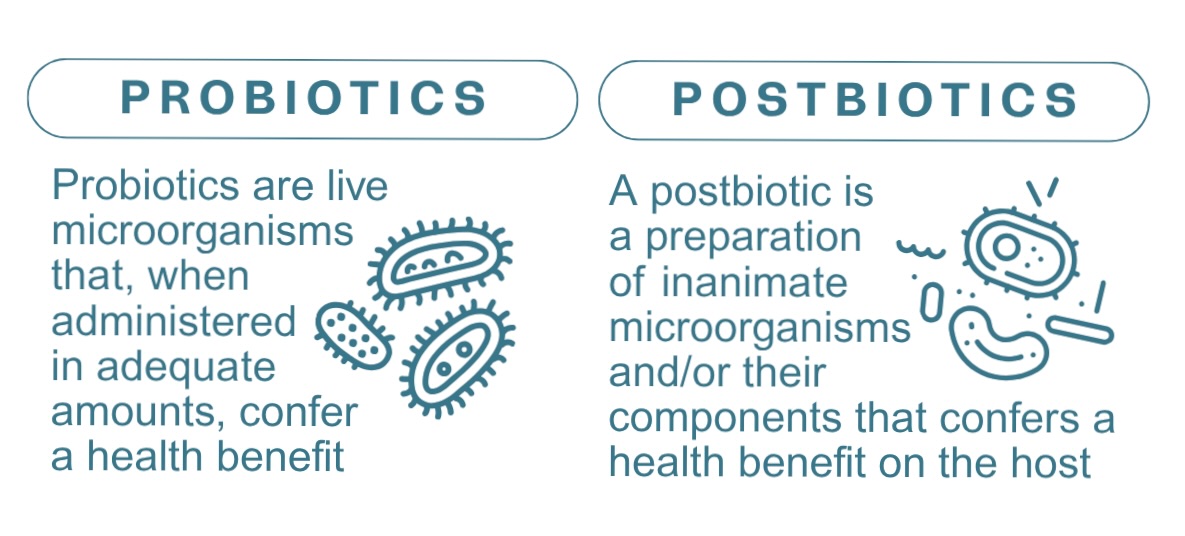
A postbiotic is a preparation of inanimate microorganisms and/or their components that confers a health benefit on the host. This definition, published by the International Scientific Association for Probiotics and Prebiotics (ISAPP) in 2021, is the reference point that regulators, clinicians, and formulators now work from.
Three things to notice. First, postbiotics are inanimate; the cells are intentionally non-viable. Second, the bioactivity comes from the cells and their components: cell wall fragments, short-chain fatty acids, and other metabolites generated during fermentation. Third, the standard requires a measurable health benefit demonstrated in the host. Without human clinical data, a postbiotic is not a postbiotic by ISAPP's definition; it is just a non-viable bacterial preparation.
Hold on to that third point; it’s the line where most of the misperceptions stem.
Four common postbiotic misperceptions
Misperception 1: A postbiotic is just a dead probiotic
Many believe postbiotics are simply probiotics that died on the way to the consumer. They are not. A postbiotic is intentionally produced through fermentation or heat-killed for inactivation. The cells are deliberately non-viable, and the active ingredient combines those inactivated cells with their bioactive components and metabolites.
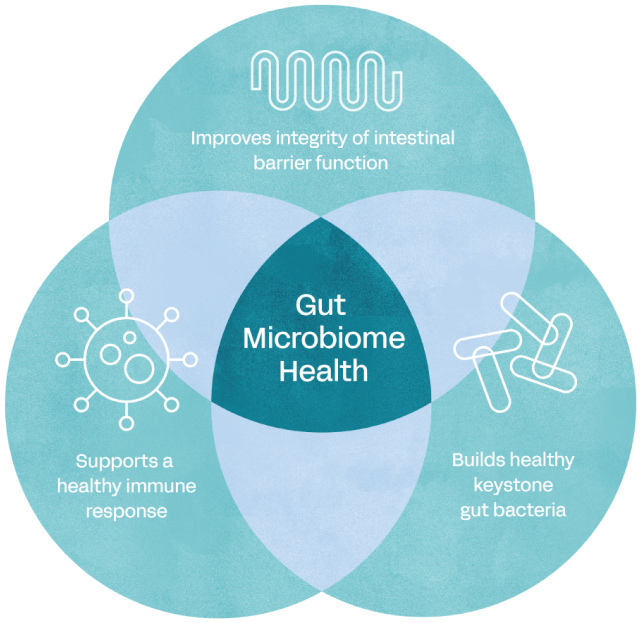
Nevertheless, a meaningful gap exists between a postbiotic that is essentially "a heat-killed strain" and one that is engineered around its bioactive output, such as Keystone. Most ingredients on the market today fall into the first bucket and typically affect the gut by influencing inflammation and barrier function. In contrast, Keystone Postbiotic aims to improve gut microbiome health by increasing microbial diversity.
What is Keystone Postbiotic?
Keystone Postbiotic is produced through targeted fermentation using Lactiplantibacillus and Lacticaseibacillus strains that interact directly with oats. Oats act as both a nutrient source (beneficial enzymes, phenolics, and phytochemicals) and a signal to produce beneficial metabolites in the gut.
Misperception 2: All postbiotics have the same substrates
The carbohydrate and protein sources (substrates) that microbes consume during fermentation shape the metabolite profile, the bioactive yield, and the consumer-facing label panel.
The substrate used to grow bacteria directly influences the bioactives produced in the gut. Therefore, when considering postbiotics, it is important to learn what substrate was used.
Most postbiotic ingredients on the market, including heat-killed strains fermented on generic agricultural substrates, support gut comfort and regularity claims. On the other hand, Keystone Postbiotic is designed for a different outcome: measurable improvement in microbial diversity.
What substrate is Keystone Postbiotic made from?
Keystone Postbiotic follows a different process. Designing it to harness the bioactive components and microbial signals that promote microbial diversity, it is fermented on a food-first, non-GMO oat substrate. Compared to other postbiotics, it's not a dead-cell ingredient. Instead, it's a food-first, oat substrate postbiotic that's shelf-stable, format-flexible, and delivers functional benefits for gut health, microbiome modulation, and mood and well-being support.
Misperception 3: Postbiotics work the same way as probiotics, just without the live cells
What is the difference between a postbiotic and a probiotic? The two main differences are 1) live vs. inanimate cells and 2) the mechanism of action.
Probiotics must remain alive to work effectively. As they transit through the digestive system, these live bacteria interact with immune cells, gut epithelial cells, dietary components, and resident microbiota. Along the way, they produce metabolites and short-chain fatty acids. If they don't arrive in the gut alive, they don't work.
Postbiotics are different by design. They are intentionally inanimate, cell wall fragments, metabolites, and short-chain fatty acids produced during fermentation. They don't need to survive transit because they were never alive to begin with. Once in the gut, it's not the postbiotic cells that act: it's the signals and bioactive compounds they carry. Those signals interact with resident gut microbes, stimulating them to produce beneficial short-chain fatty acids, metabolites, and a more diverse microbial community over time.
Think of probiotics as workers you send into the gut. In contrast, Postbiotics function as the tools and instructions that workers leave behind. In Keystone's case, these instructions specifically aim to improve microbial diversity.
Misperception 4: Postbiotics are limited to gut comfort and digestion claims
Many postbiotic claims focus solely on digestion and regularity, simply depositing dead-cell material into the gut and allowing the host to respond. However, Keystone Postbiotic does more than that. Fermenting probiotic strains with oats to modulate one’s microbiome supports a more diverse microbial community over time. The mechanism is closer to a microbiome conditioner than a static delivery vehicle.
Microbial diversity, the key metric that Keystone Postbiotic is designed to support, serves as one of the most consistent biomarkers of whole-body health - including metabolic, immune, gut-brain, and emotional wellness, as well as healthy aging.
"We did not set out to make another dead-cell postbiotic. We set out to build the bioactive system that would actually improve microbial diversity in the host, and then we tested it in humans. That clinical readout is the entire reason Keystone Postbiotic exists." — Noah Zimmerman, PhD, CSO, Verb Biotics
Ready to formulate with Keystone Postbiotic?
Whether you're developing a new product or reformulating an existing one, our team can walk you through the science, dosing, and format options. Request a meeting with our sales team ↓